What Workers Should Know Before Joining High-Risk Building Sites
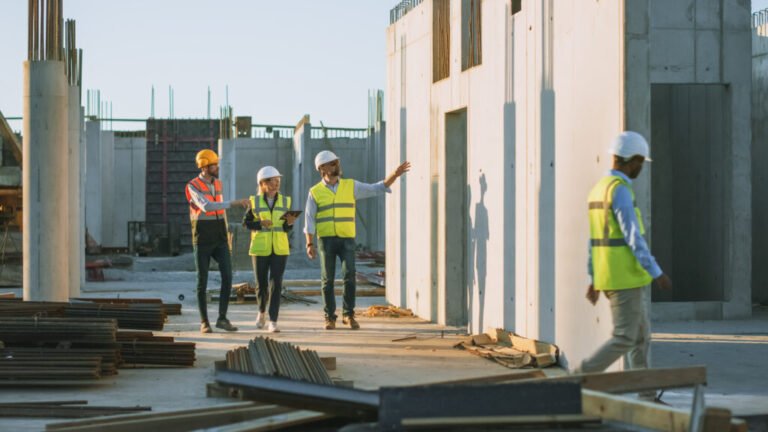
Construction environments can be exciting places to work, but they also come with serious responsibilities. High-risk building sites often involve heavy machinery, elevated work areas, electrical systems, moving vehicles, and fast-paced operations. Before entering this kind of workplace, workers need to understand the importance of preparation, awareness, and safety compliance.
One of the first steps many workers take before entering the construction industry is completing white card training. This basic safety qualification introduces workers to common site hazards and helps them understand workplace expectations before they begin practical tasks.
The Risks of Building Sites
Building sites are constantly changing environments. New structures, temporary walkways, exposed wiring, and unfinished surfaces can create hazards that shift daily. Workers may face risks such as falling objects, slips, trips, machinery accidents, dust exposure, or contact with dangerous equipment.
Many injuries occur when workers underestimate their surroundings or fail to follow site procedures. Understanding that even routine tasks can become dangerous is essential for anyone entering the construction field. Workers should never assume that experience alone removes risk. Safety awareness must remain consistent every day.
Why Safety Training Matters
Before joining a high-risk site, workers should know that safety training is not simply a formality. It provides foundational knowledge that can help prevent serious accidents. Through white card training, workers learn about hazard identification, emergency procedures, communication systems, and personal responsibilities within the workplace.
Training also teaches workers how to respond when conditions become unsafe. Knowing when to stop work, report hazards, or ask questions can protect both individual workers and entire crews. Construction companies often prioritise employees who demonstrate strong awareness of workplace safety expectations.
The Importance Of Personal Protective Equipment
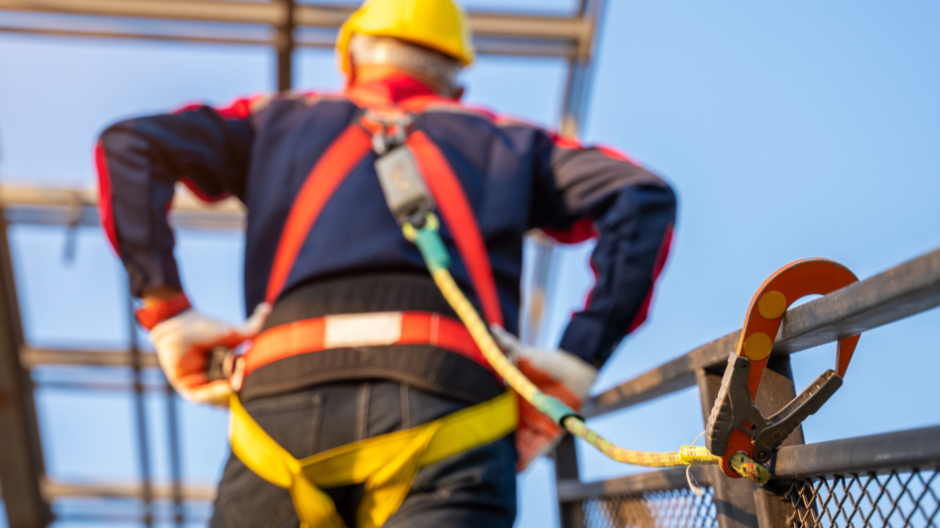
Personal protective equipment plays a major role in reducing injuries on construction sites. Hard hats, steel-capped boots, gloves, eye protection, hearing protection, and high-visibility clothing are commonly required in many areas.
Workers should understand that protective equipment only works when it is worn correctly and maintained properly. Damaged or poorly fitted gear may fail to provide adequate protection. Site supervisors often expect workers to inspect their equipment regularly and replace worn items immediately.
Communication is critical on-site
High-risk worksites rely heavily on communication. Construction projects often involve multiple teams working in close proximity, including electricians, scaffolders, crane operators, plumbers, and labourers. Miscommunication between workers can lead to dangerous situations very quickly.
Workers should pay attention during site inductions, toolbox meetings, and safety briefings. Asking questions when instructions are unclear is always better than making assumptions. Good communication also includes reporting damaged equipment, unsafe conditions, or incidents as soon as they occur.
Physical And Mental Readiness
Construction work can place significant physical demands on workers. Long hours, repetitive lifting, climbing, and exposure to changing weather conditions require strong physical preparation. Workers should arrive well rested, hydrated, and physically capable of handling assigned duties.
Mental focus is equally important. Distractions, fatigue, or rushing tasks can increase the likelihood of mistakes. High-risk building sites require workers to stay alert throughout the workday and remain aware of surrounding activities at all times.
Knowing Site Rules And Responsibilities
Every construction site may have different procedures depending on the type of project being completed. Workers should understand site access rules, restricted areas, evacuation plans, and emergency response procedures before beginning work.
Completing a white card course helps workers become familiar with many of these industry expectations before arriving on site. However, ongoing learning remains important because each workplace operates differently. Workers who respect site rules and safety systems are often viewed as reliable and professional team members.
Conclusion
Joining a high-risk building site involves much more than simply showing up ready to work. Workers must understand safety procedures, communication expectations, physical demands, and hazard awareness before entering these environments. Completing white card training provides an important introduction to workplace safety and helps prepare individuals for the realities of construction work. With the right knowledge, preparation, and attitude, workers can contribute to safer and more productive building sites every day.