
CPR Course In Joondalup: Preparing Individuals For Unexpected Emergencies
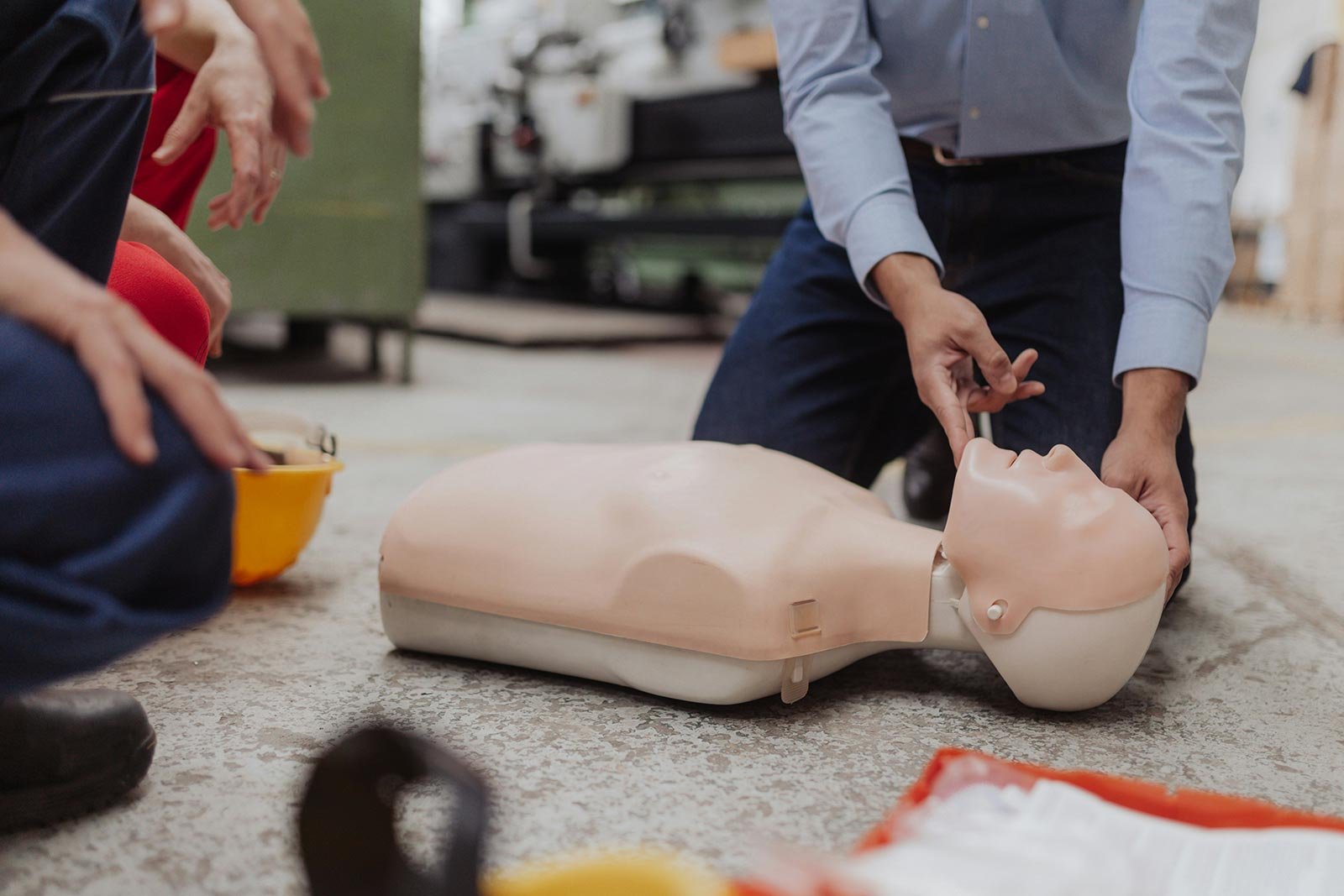
Emergencies can occur without warning, whether at home, in the workplace, during sporting activities, or in public spaces. In many situations, the actions taken within the first few minutes can make a significant difference in the outcome for the affected person. This is why CPR training continues to be one of the most valuable skills individuals can learn. A CPR course Joondalup provides practical knowledge and hands-on experience that helps people respond effectively when unexpected emergencies arise.
Why Emergency Preparedness Matters?
Most people do not expect to face a medical emergency. However, accidents, cardiac arrests, choking incidents, and sudden illnesses can happen anywhere and at any time. Although emergency services are vital in saving lives, there is often a delay between an occurrence and the arrival of expert assistance.
During those crucial minutes, a trained bystander can provide immediate assistance. CPR training helps individuals recognise emergency situations, assess risks, and take appropriate action while waiting for medical professionals to arrive. This early intervention can help improve outcomes and provide vital support during life-threatening situations.
Building Confidence Through Practical Training
One of the biggest barriers to helping in an emergency is uncertainty. Many people worry that they may not know what to do or fear making a mistake. CPR training addresses these concerns by providing structured learning experiences that combine theory with practical application.
Participants are taught how to recognise cardiac arrest symptoms, accurately provide chest compressions, and, when accessible, operate automated external defibrillators. Repeated practice helps build confidence and familiarity with emergency procedures. As a result, individuals are more likely to step forward and assist when someone needs help.
CPR Skills Benefit More Than Just Healthcare Workers
A common misconception is that CPR training is only relevant for medical professionals. In reality, these skills are valuable for people from all walks of life. Parents, teachers, office workers, fitness instructors, tradespeople, and community volunteers can all benefit from learning CPR.
Emergencies often occur in everyday settings rather than hospitals. Having more trained individuals within communities increases the likelihood that someone nearby can provide immediate assistance when an emergency occurs. This creates safer environments for families, workplaces, schools, and public gatherings.
Supporting Workplace Safety
Many organisations recognise the importance of emergency preparedness and encourage employees to develop first aid and CPR skills. Trained staff members contribute to safer workplaces by being prepared to respond quickly during accidents or medical incidents.
A workplace with CPR-trained employees demonstrates a commitment to employee well-being and safety. It can also help businesses meet certain health and safety requirements while creating a culture of responsibility and preparedness. Employees who possess these skills often feel more capable of protecting both colleagues and visitors.
Learning Through Modern Training Programs
Today’s CPR training programs are designed to be accessible, engaging, and practical. Training providers use realistic scenarios and hands-on exercises to help participants understand how emergency situations may unfold in real life.
Programs such as an express CPR Course are particularly appealing to busy individuals who want to gain essential lifesaving skills efficiently. These courses focus on key emergency response techniques while ensuring participants receive practical experience that can be applied confidently in real-world situations.
The Role Of CPR In Community Safety
Communities become stronger and safer when more people are equipped with emergency response skills. Every trained individual represents another potential lifesaver who can assist during critical situations.
Schools, sports clubs, community groups, and local organisations often encourage CPR training because it helps create a network of prepared individuals. This collective preparedness can make a meaningful difference during emergencies where immediate action is required.
The presence of trained bystanders can also provide reassurance to community members, knowing that help may be available before emergency responders arrive. This contributes to a stronger culture of care and responsibility within society.
Staying Current With Lifesaving Skills
CPR techniques and guidelines may evolve as medical research advances. For this reason, refresher training is important for maintaining competency and confidence. Regular updates help individuals stay familiar with current recommendations and best practices.
Ongoing training ensures that skills remain sharp and that participants are comfortable responding under pressure. Many people find that refresher courses reinforce their knowledge and increase their readiness to act during emergencies.
Organisations such as FAP Australia continue to promote the importance of accessible first aid and CPR education, helping more individuals develop the skills needed to support emergency response efforts across communities.
Conclusion
Emergencies are unpredictable, but preparation can make a significant difference. CPR training provides individuals with practical skills, confidence, and the ability to respond effectively during critical situations. Whether at home, work, or within the community, trained individuals can play a vital role in supporting those who require immediate assistance. By investing time in CPR education, people become better prepared for unexpected emergencies and contribute to safer environments for everyone around them. The knowledge gained through quality CPR training is not only valuable but has the potential to save lives when it matters most.