
The Science Behind Ozone Therapy Treatment: How Oxygen Heals the Body
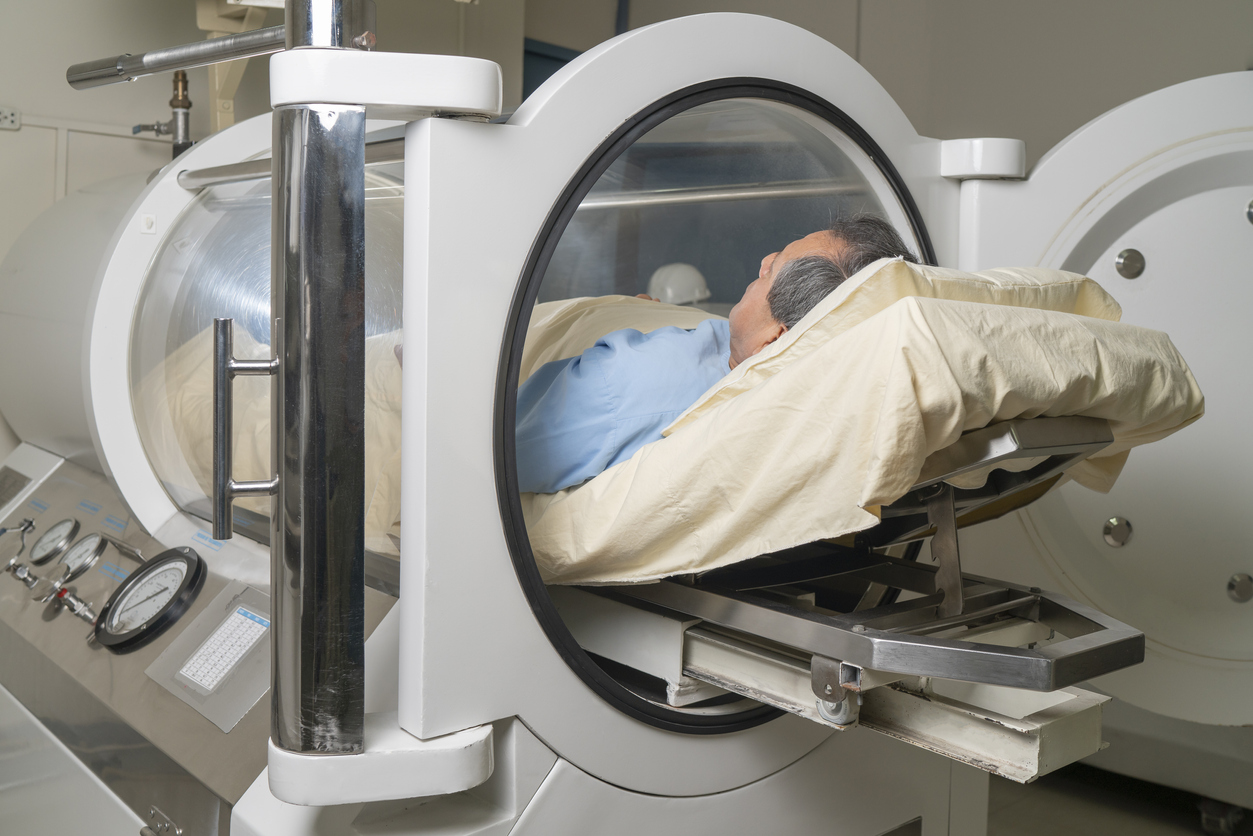
In recent years, there has been a renewed global interest in alternative and regenerative medical therapies, with one in particular standing out for its remarkable healing potential ozone therapy treatment. Rooted in over a century of clinical use, this therapy harnesses the power of oxygen to stimulate natural healing processes within the body. By introducing medical-grade ozone, a form of oxygen consisting of three atoms, into the body through various methods, the treatment aims to enhance cellular function, improve circulation, and strengthen the immune system. The result is a scientifically supported approach that merges natural physiology with medical innovation, offering benefits for a wide range of conditions from chronic pain to autoimmune diseases. Also check this: Naturopathic treatments
What Is Ozone and How Does It Work in the Body?
Ozone (O₃) is a highly reactive molecule made up of three oxygen atoms, making it more powerful than the standard oxygen (O₂) we breathe. When introduced into the body in controlled medical doses, it triggers a cascade of biological responses that promote healing. The science behind ozone therapy treatment lies in its oxidative properties ozone interacts with biological molecules such as lipids and proteins to create “ozonides,” which act as messengers that stimulate antioxidant activity, enhance oxygen delivery, and activate the body’s natural defense systems.
Once inside the bloodstream or tissues, ozone encourages red blood cells to release more oxygen to nearby cells, improving cellular respiration and metabolism. This process helps detoxify the body, reduce inflammation, and accelerate tissue repair, making it especially effective for conditions linked to poor oxygen utilization, such as diabetes, infections, and chronic fatigue.
The Science Behind Healing: Oxygen as a Cellular Catalyst
Oxygen is life’s fundamental building block. Every cell in the human body depends on it for energy production, detoxification, and regeneration. When oxygen levels are suboptimal, cells struggle to function, leading to disease and aging. Through ozone therapy treatment, oxygen is delivered at a molecular level that the body can immediately utilize, restoring the balance between oxidation and antioxidation within tissues.
The process activates the mitochondriaoften referred to as the “powerhouse of the cell”enhancing ATP (adenosine triphosphate) production. ATP fuels all biological activities, including immune response, nerve communication, and tissue growth. By optimizing mitochondrial function, ozone therapy not only restores energy but also improves resistance to illness, helping the body heal itself naturally. Scientific studies have shown that ozone therapy can increase levels of antioxidant enzymes like glutathione and superoxide dismutase, both crucial for protecting cells from oxidative stress and preventing premature aging.
Medical Applications of Ozone Therapy
The versatility of ozone therapy extends across multiple medical fields due to its wide range of biological effects. It has been successfully used in treating chronic inflammatory diseases, infections, and circulatory problems. Patients with arthritis, fibromyalgia, or autoimmune disorders often experience relief after a few sessions, as ozone helps modulate the immune system and improve oxygenation at the cellular level.
In infectious diseases, ozone’s antiviral, antibacterial, and antifungal properties have made it a valuable adjunct to conventional medicine. It destroys pathogens by oxidizing their cell walls, while simultaneously stimulating the immune system to produce more white blood cells and antibodies. In addition, ozone therapy enhances wound healing by improving microcirculation, promoting collagen synthesis, and preventing tissue necrosisa reason it’s widely used in sports medicine and recovery treatments.
Another area where ozone therapy shows promise is in cardiovascular health. By reducing cholesterol oxidation, enhancing blood flow, and improving oxygen delivery to tissues, it can support patients suffering from atherosclerosis, hypertension, or peripheral artery disease. The therapy also contributes to detoxification by stimulating the liver and kidneys, aiding the elimination of metabolic waste and toxins.
Methods of Administration: How Ozone Is Delivered
Ozone therapy can be administered through several scientifically designed methods, each tailored to a patient’s condition and treatment goals. One of the most common procedures is major autohemotherapy, where a small amount of the patient’s blood is drawn, mixed with medical ozone, and then reinfused into the bloodstream. This process enhances oxygenation and triggers systemic healing effects throughout the body.
Other forms include rectal insufflation (for systemic detoxification), localized injections (for joint pain or wounds), and ozone saunas (for skin and lymphatic purification). Topical ozone oils are used for dermatological conditions such as eczema, acne, and chronic ulcers. Each method is carefully dosed to maintain safety and efficacy, ensuring the reactive properties of ozone are beneficial rather than harmful.
In all applications, medical ozone is produced from pure oxygen using certified generators, guaranteeing precision and purity. The concentration and exposure time are closely monitored to align with established medical standards.
Scientific Evidence and Research Findings
Decades of research have provided robust scientific validation for ozone therapy’s mechanisms and outcomes. Clinical studies conducted in Europe, particularly in Germany, Spain, and Italywhere the therapy has long been integrated into mainstream medicinehave shown that ozone improves oxygen metabolism, reduces oxidative stress, and enhances immune modulation.
A 2020 study published in Medical Gas Research demonstrated that ozone therapy increased oxygen delivery and improved clinical outcomes in patients with chronic ischemic diseases. Similarly, a review in the Journal of Inflammation Research highlighted its role in decreasing pro-inflammatory cytokines and promoting antioxidant defenses. These findings have prompted ongoing exploration of ozone’s potential in regenerative medicine, particularly for age-related disorders, diabetic ulcers, and neurodegenerative conditions.
In oncology, ozone therapy is also being studied as a supportive treatment. While it is not a cure for cancer, it can help mitigate the side effects of chemotherapy and radiation by improving oxygenation and reducing fatigue. Scientists are particularly interested in its ability to modify the tumor microenvironment, making cancer cells less aggressive and more susceptible to traditional therapies.
The Safety and Regulation of Ozone Therapy
Safety is a top priority when administering ozone therapy. Despite its powerful oxidative nature, ozone is entirely safe when used in controlled medical settings. The key lies in dosage and professional expertise. Inappropriate administration or exposure to unregulated ozone concentrations can cause irritation or damage to respiratory tissues, which is why the therapy must only be performed by trained professionals.
Medical-grade ozone generators are designed to maintain precise concentration levels, and all procedures follow standardized protocols to minimize risks. Patients generally report minimal side effects, often limited to mild fatigue or temporary detox symptoms. When performed correctly, ozone therapy is non-toxic, non-addictive, and compatible with other treatments, making it an ideal complement to both conventional and holistic medicine.
The Aeon Clinic: Pioneering Oxygen-Based Healing
Among the leading institutions offering advanced regenerative therapies, The Aeon Clinic has gained recognition for its commitment to precision ozone therapy. Their team of medical specialists integrates cutting-edge technology with a patient-centered approach, ensuring safe and effective outcomes. Through personalized treatment plans, the clinic combines ozone therapy with complementary wellness protocols such as IV nutrient therapy and hyperbaric oxygen to maximize cellular healing and vitality. Their emphasis on scientific integrity and holistic care has made them a trusted destination for patients seeking natural yet scientifically proven health solutions.
Conclusion: The Future of Oxygen Medicine
The growing body of scientific evidence supporting ozone therapy underscores a profound truth: oxygen is not merely a vital gas for life it is medicine. The mechanisms activated through controlled ozone exposure unlock the body’s intrinsic ability to heal, rejuvenate, and defend itself. As medical research continues to validate its benefits, ozone therapy treatment is emerging as a cornerstone of modern regenerative medicine, bridging the gap between natural healing and clinical science.
By enhancing oxygen utilization, reducing inflammation, and stimulating the immune system, ozone therapy represents a paradigm shift toward proactive wellness. In an era where chronic illness and stress-related disorders are on the rise, embracing oxygen-based therapies may well be the key to restoring balance, energy, and longevity in the human body.